Tax Preparation Companies: Local vs. Chain vs. DIY
Filing your taxes doesn’t have to be a once-a-year transaction you dread. For many, especially small business owners and those with rental properties, it can be the start of a valuable partnership. While DIY software gets the job done, it can’t offer strategic advice when you’re thinking about buying a new property in July or changing your business structure in October. This is the key difference between a basic filing service and dedicated tax preparation companies that offer year-round support. Having an expert in your corner provides guidance that helps you make smarter financial decisions long after tax season is over.
Key Takeaways
- Let your financial complexity be your guide: DIY software is a solid choice for simple tax returns. For more complex situations involving a business, rental properties, or investments, a professional's expertise is essential to ensure accuracy and find every available deduction.
- Think of professional prep as an investment: While hiring an expert costs more upfront, their ability to prevent costly mistakes and uncover tax savings often provides a significant return. You are paying for accuracy, strategic advice, and invaluable peace of mind.
- Decide if you want a transaction or a relationship: Tax software is a tool for a single task, filing your return. Working with an accounting firm builds a partnership, giving you access to a trusted expert for financial questions and planning all year long.
Your Top Tax Prep Options: A Quick Comparison
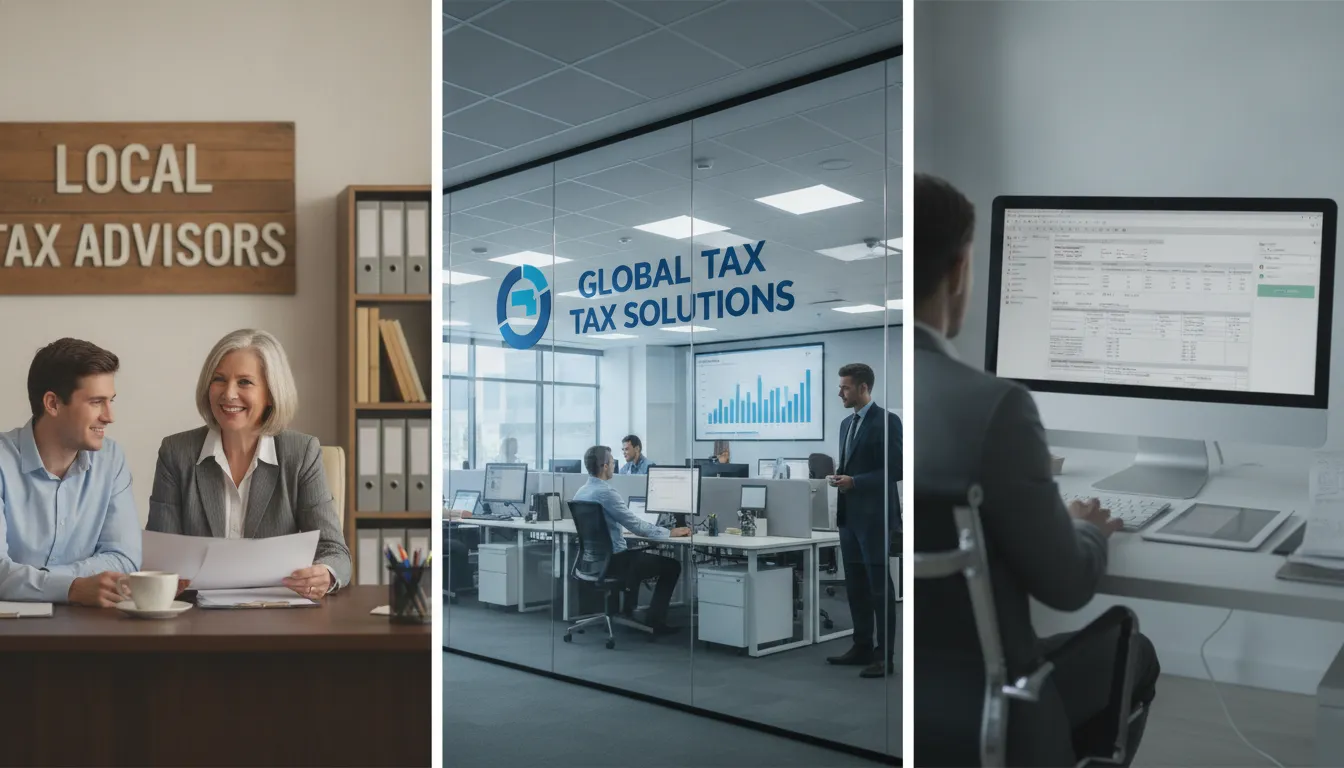
So, you know you need to get your taxes done, but figuring out how can feel like a job in itself. The good news is that you really only have three main paths to choose from: working with a local accounting firm, going to a big national chain, or doing it yourself with tax software. There’s no single "best" answer for everyone. The right choice really comes down to how complex your finances are, how much guidance you want, and what kind of relationship you’re looking for with your tax preparer.
Think of it this way: are you looking for a partner who knows your name and can offer advice all year long, or do you just need someone to help you file accurately and quickly during tax season? Maybe you're a seasoned pro who just needs the right software to get the job done. Let's break down what you can expect from each option so you can find the perfect fit for your financial situation and your peace of mind.
Working with a Local Accounting Firm
Choosing a local accounting firm is like having a financial expert in your corner. These firms, which often include Certified Public Accountants (CPAs) and other credentialed pros, offer a highly personalized experience. They take the time to understand your specific situation, whether you’re running a small business, managing a rental property, or just bought your first home. Their goal is to provide expert tax planning and advice that helps you keep more of your hard-earned money while staying compliant. Because they're part of your community, they understand the local economic landscape and are invested in your long-term success, often providing support beyond just tax season.
Using a Large National Chain
You’ve probably seen the ads for big tax preparation chains everywhere come January. These services are known for their convenience and standardized process. With offices in nearly every town, they offer an accessible way to get your taxes filed by a professional. They often make bold promises, like guaranteeing your maximum refund, and their preparers are trained to handle a wide range of common tax situations. While you might not get the same deep, personal relationship you’d find at a local firm, a national chain service can be a reliable choice if you're looking for a straightforward, one-time filing experience with the backing of a major brand.
Trying DIY Software
If you’re comfortable with technology and your tax situation is relatively simple, do-it-yourself (DIY) software can be a great, budget-friendly option. These programs walk you through the filing process step-by-step, asking questions to help you fill out the right forms. For very basic returns, you can often file your federal taxes completely free of charge. However, if you own a business, have investment income, or manage rental properties, the free versions might not cut it. While paid software offers more features, you're ultimately responsible for the accuracy of your return, which means you could miss out on valuable deductions or make a costly mistake.
How to Choose a Great Tax Preparation Service
Finding the right person or company to handle your taxes is a big decision. It’s about more than just filling out forms; it’s about finding a partner you can trust with your financial details. Whether you’re a new homeowner, managing a rental property, or running your own business, the right expert can save you money, time, and a whole lot of stress. But with so many options out there, how do you pick the best one for you?
It comes down to a few key factors. You want someone with the right qualifications who truly understands your specific financial situation. It’s also important to be clear on the costs upfront and to know what kind of support you’ll get if the IRS has questions later. Finally, hearing what other clients have to say can give you the confidence you need to make the right choice. Let’s walk through what to look for.
Check Their Credentials and Expertise
First things first, you need to know who you’re hiring. Not all tax preparers have the same level of training or qualifications. While anyone can technically charge a fee to prepare a tax return, you should look for a professional with established credentials. A Certified Public Accountant (CPA) is a great example. CPAs are licensed professionals who have passed a rigorous exam and must meet ongoing education requirements. This means they are up-to-date on the latest tax laws. While hiring a credentialed tax professional might cost more than using basic software, their expertise can be invaluable, especially if your tax situation is complicated.
Find a Service That Fits Your Needs
Your tax needs are unique, and your tax preparer should understand that. A generic, one-size-fits-all approach rarely works well for small business owners or those with rental income. A good tax professional will take the time to understand your specific circumstances. They can help you identify all the business deductions you’re entitled to, find tax credits you might have missed, and make sure you’re filing the correct forms. When you’re interviewing potential preparers, ask about their experience with clients like you. Do they work with other small businesses in your industry? Are they familiar with the nuances of real estate investments? Finding someone who gets it can make all the difference.
Understand the Costs (and Avoid Surprises)
No one likes a surprise bill, especially after tax season. Before you agree to work with anyone, make sure you have a clear understanding of their fees. Some preparers charge a flat rate per form, while others bill by the hour. Ask for a price estimate and find out what’s included. It’s also good to know what might cause the price to go up. For example, many firms charge more if you bring in your paperwork at the last minute or if your records are disorganized, as this creates extra work. Getting your information together early and keeping it organized can often help you manage the cost of tax preparation.
Ask About Audit Support
The word "audit" can make anyone nervous, but it’s a possibility every taxpayer faces. An audit is simply a review by the IRS to verify your income and deductions are accurate. This is where having a great tax professional in your corner really pays off. Before you hire a firm, ask them directly: "What happens if I get audited?" Will they represent you and communicate with the IRS on your behalf? What are the costs for that support? Knowing you have an expert ready to step in provides incredible peace of mind. This year-round support is one of the biggest advantages of working with a dedicated accounting firm.
See What Other Clients Are Saying
A tax preparer’s reputation is everything. Before you commit, do a little digging to see what current and former clients have to say. A quick search online for reviews and testimonials can tell you a lot about their level of service, communication, and professionalism. While a few negative comments aren't always a dealbreaker, a pattern of poor reviews is a major red flag. Look for feedback from people whose situations are similar to yours, whether they’re fellow business owners or property investors. Positive customer ratings are a strong indicator that you’re choosing a firm that’s credible, trustworthy, and genuinely cares about its clients.
Comparing Your Options: Local Firm vs. National Chain vs. DIY
Working with a Local Accounting Firm
Think of a local accounting firm as your financial partner. These firms offer personalized service tailored to your specific situation, whether you're a new homeowner, a small business owner, or managing rental properties. You'll work with a dedicated team that often includes Certified Public Accountants (CPAs) and other tax professionals who get to know you and your financial goals. Their main objective is to help you reduce your tax liability, uncover all possible deductions, and make sure you're compliant with current tax laws. This close relationship means you get advice that’s not just for tax season, but for your financial health all year round.
Using a Large National Chain
Large national tax chains are known for their straightforward and accessible approach. Their biggest selling point is often a promise to get you the maximum refund possible, sometimes backed by a guarantee. If you have a relatively common tax situation and your main goal is to file quickly and secure a large refund, this can be a great option. Their tax preparers are trained to handle a wide variety of scenarios and can be a reliable resource if you’ve received a letter from the IRS or need to amend a past return. While you might not get the same one-on-one relationship as with a local firm, you get a streamlined process from a well-known brand.
Trying DIY Software with Live Support
Doing your own taxes with software can be a very cost-effective choice, especially if your financial life is on the simpler side. These programs guide you through the filing process step-by-step. However, it’s important to remember that most free platforms are designed for simple individual returns, not complex business finances. While you can save money, you take on the responsibility for accuracy. For an extra fee, many of the best tax software options offer live support or even audit assistance from a tax professional, giving you a safety net if you need it.
Decoding Tax Prep Fees: What Will You Pay?
Let’s talk about one of the biggest questions on everyone’s mind when tax season rolls around: How much is this going to cost? The truth is, there’s no single answer. The fee for professional tax preparation isn’t a one-size-fits-all price tag. It can vary quite a bit based on how complex your financial situation is, the preparer’s pricing structure, and even where you live. Think of it like hiring any skilled professional; the final cost depends on the job's scope.
For a small business owner, a new homeowner, or someone with a rental property, your tax return will naturally have more moving parts than someone with a single W-2. Understanding what drives the cost will help you budget accordingly and avoid any last-minute surprises. We’ll walk through the most common pricing models, how your specific tax situation plays a role, and other factors that influence the final bill. This way, you can go into the process with confidence, knowing what to expect and what you’re paying for.
Know the Different Pricing Models
When you start looking for a tax preparer, you’ll find that firms use a few different pricing models to bill for their services. The most common are flat fees, hourly rates, and per-form pricing. Some accountants even use a combination of these. A flat fee is a set price for a specific service, like filing a simple individual return. An hourly rate is just what it sounds like; you pay for the time your preparer spends on your file, which is common for more complex or unpredictable situations. Finally, per-form pricing means the cost is based on which specific tax forms your return requires. It’s always a good idea to ask a potential preparer how they structure their fees upfront.
How Complexity Affects Cost
The single biggest factor determining your tax prep fee is complexity. A straightforward return with a couple of W-2s and the standard deduction is on the lower end of the cost spectrum. According to one study, the national average for a simple return was about $238. However, once you add in other elements like freelance income (1099s), investment sales (Schedule D), or rental property income (Schedule E), the price goes up. For these more involved returns, fees can average between $350 and $537. This is where a professional tax preparer really shows their value, making sure every detail is handled correctly to maximize your refund or minimize what you owe.
Can Bundling Services Save You Money?
For small business owners, bundling services can be a smart and cost-effective move. Many accounting firms, including ours, offer packages that combine tax preparation with other essential services like year-round bookkeeping, payroll management, or strategic advisory sessions. This approach often uses a fixed-fee or value-based pricing model, giving you a predictable monthly or annual cost. Not only can this save you money compared to paying for each service separately, but it also allows your accountant to have a holistic view of your finances. This deeper understanding helps them provide more proactive and impactful advice throughout the year, not just during tax season.
Why Your Location Might Change the Price
You might not think about it, but where your tax preparer is located can influence their fees. The cost of doing business, including office rent and local salaries, varies from one city to another. As a result, an accountant in a major metropolitan area often has higher overhead costs than one in a smaller town, and their pricing will reflect that. These regional differences are a normal part of any professional service industry. Here at Accounting Solutions, Inc., our Worcester location allows us to offer expert, personalized service without the high price tag you might find in a larger city, giving our local clients a great balance of value and expertise.
Professional Prep vs. DIY: Which Is Better for You?
Deciding how to file your taxes can feel like a major fork in the road. Do you roll up your sleeves and tackle it yourself with tax software, or do you hand everything over to a professional? There’s no single right answer, but the best choice for you depends on a few key things: how complex your finances are, how confident you feel about tax rules, and frankly, how much time you’re willing to spend. For some, DIY software is a perfect fit. It’s straightforward, affordable, and gets the job done for simple returns with a single W-2 and no itemized deductions.
For others, especially small business owners, new homeowners, or those with rental properties, the idea of going it alone can be overwhelming. The tax code is notoriously complicated, and a simple mistake or missed deduction could cost you hundreds or even thousands of dollars. It’s not just about filling in boxes; it’s about understanding the strategy behind your numbers. Before you choose, think about the real cost of your time and the peace of mind that comes with knowing your taxes are done right. Below, we’ll walk through the benefits of each approach to help you figure out which path makes the most sense for your financial situation this year.
The Perks of Hiring a Professional
Let's be honest, the biggest hesitation most people have about hiring a tax professional is the cost. While it’s true that working with a certified public accountant (CPA) is more of an investment than buying software, the value you get can far outweigh the price tag. This is especially true if your tax return is anything but simple. A tax pro does more than just fill out forms; they bring years of expertise to the table.
They can help you understand how to maximize business deductions, find tax credits you didn't know you qualified for, and make sure you’re filing all the right paperwork. For a small business owner, that guidance is invaluable.
Gaining Accuracy, Support, and Peace of Mind
One of the biggest differences between DIY tax prep and professional services is the level of support you receive. Most software is designed to help you enter information and file your return. A tax professional, on the other hand, provides guidance and strategic planning that can help you long after tax season is over. They can offer advice to help reduce your future tax liabilities, turning tax prep into a forward-thinking financial tool.
This proactive support provides incredible peace of mind. Instead of worrying if you missed something, you can feel confident that an expert has reviewed your situation. Professional preparers use their experience to spot potential red flags and ensure accuracy, which significantly reduces your risk of an audit.
When Does DIY Software Make Sense?
Doing your own taxes can be a great option if your financial life is relatively simple. If you have one job, take the standard deduction, and don’t have investments or rental properties, tax software is often the most cost-effective choice. These programs are designed to be user-friendly, walking you through the process step-by-step and handling all the basic calculations for you.
Even if your situation is a bit more complex, you aren't completely on your own. Many DIY platforms now offer access to tax specialists who can answer questions or review your return for an extra fee. This hybrid approach can be a good middle ground, giving you the affordability of software with a safety net of professional support when you need on-demand help.
Who Should Always Use a Professional?
While DIY software works for many, there are certain situations where hiring a professional is non-negotiable. If you own a small business, manage rental properties, or are a new homeowner, working with a CPA is one of the smartest decisions you can make. The rules around business expenses, depreciation, and homeowner tax credits are complex, and an expert can ensure you get every benefit you’re entitled to.
Additionally, if you’ve gone through a major life change, like getting married, having a child, or receiving an inheritance, a professional can help you understand the tax implications. They can also review your bookkeeping to make sure your records are accurate and organized, which is a huge time-saver. If you feel in over your head, it’s always better to ask for help.
Making Your Final Decision
Choosing how to get your taxes done feels like a big commitment, but it doesn't have to be stressful. By this point, you have a good idea of what each option offers. The final step is to pull all that information together and weigh it against your personal needs, budget, and comfort level. Think of it less as finding the single "best" option and more as finding the right fit for you and your financial situation this year.
Match the Service to Your Specific Tax Needs
The most important factor in your decision is the complexity of your tax return. If your financial life is straightforward, maybe you have one job and take the standard deduction, DIY software is often perfectly fine. However, if you’re a small business owner, a landlord with rental properties, or have significant investments, your return gets complicated fast. Tax professionals, like certified public accountants (CPAs), are skilled at handling these nuances. They can help you identify deductions and credits you might miss, ensuring you file an accurate return and get professional tax help when it matters most.
Weigh the Cost Against the Value
It’s tempting to go with the cheapest option, but it’s important to think about value, not just price. While some tax software is free, a single mistake on a complex return can lead to a stressful audit or costly penalties that far outweigh the initial savings. Hiring a professional is an investment in accuracy and peace of mind. According to one study, professional tax prep for an individual can range from around $240 to over $500 for more complex scenarios. When you consider the potential tax savings and the security of knowing an expert reviewed your return, the cost often proves its worth.
Prioritize Personal Service and Year-Round Help
Think about the level of support you want. DIY software is transactional; you enter your data, file your return, and you’re done until next year. A great tax professional, on the other hand, offers a relationship. They provide guidance and planning strategies throughout the year to help you make smarter financial decisions and reduce your future tax burden. If you buy a new rental property in July or start a side business in October, you have an expert on call to answer your questions. This kind of year-round support is invaluable for anyone with a growing or changing financial life.
Don't Forget to Ask About Discounts
When you contact a tax firm, don't be shy about discussing fees. A reputable professional will be transparent about their pricing model. Ask if they charge a flat rate or by the hour, and what’s included in the fee. Some firms may offer a discount for bundling services, like combining your business and personal tax returns. You can also ask if they have special pricing for new clients. Understanding how firms price their services helps you compare your options and ensures there are no surprises when the bill arrives.
Related Articles
- How Much Does It Cost to Prepare Taxes? 2025 Price Guide & Hidden Fees
- How to Price Tax Preparation Services for 2026: 7 Steps to Audit Your Tax Practice Pricing Before January
- Best Tax Software
- Expert Tax Planning
- National Chain Service
Frequently Asked Questions
Is hiring a professional accountant really worth the cost compared to just using software? Think of it as an investment in your financial health. While software is great for straightforward returns, a professional accountant provides strategic advice that can save you money well beyond their fee. They are trained to find deductions and credits specific to your situation, like owning a small business or a rental property, that software might not prompt you to look for. The cost buys you accuracy, a reduced risk of audit, and the peace of mind that comes from having an expert on your side.
At what point should I stop using DIY software and hire a professional? A good rule of thumb is to hire a professional as soon as your financial life involves more than just a W-2 and the standard deduction. If you've started a business (even a small side hustle), bought a home, began investing, or own a rental property, it's time to call in an expert. These situations have complex tax rules, and a professional ensures you handle them correctly while getting every benefit you're entitled to.
Besides credentials, what should I look for to make sure a tax professional is the right fit for me? You want to find someone who understands your specific financial world. During your initial conversation, ask about their experience with clients like you. Do they work with other small business owners in your field or other local landlords? A great preparer will not only have the right qualifications (like a CPA license) but will also be able to offer relevant, industry-specific advice because they are familiar with your challenges and opportunities.
What does 'audit support' actually mean, and do I really need it? Audit support means that if the IRS has questions about your tax return, your preparer will handle the communication and represent you. You won't have to face those intimidating letters or calls alone. This support is one of the most valuable benefits of working with a dedicated firm. While you hope you never need it, knowing you have an expert ready to step in provides a level of security that you simply can't get from DIY software.
I'm a small business owner. Can I save money by bundling tax prep with other services like bookkeeping? Yes, this is often a very smart and cost-effective strategy. Many accounting firms offer packages that combine tax preparation with year-round services like bookkeeping or payroll. This not only simplifies your finances but also gives your accountant a complete, real-time view of your business. This holistic perspective allows them to provide more proactive advice and can often result in a more predictable, value-based fee compared to paying for each service separately.