
States With No Income Tax: Compare Total Costs
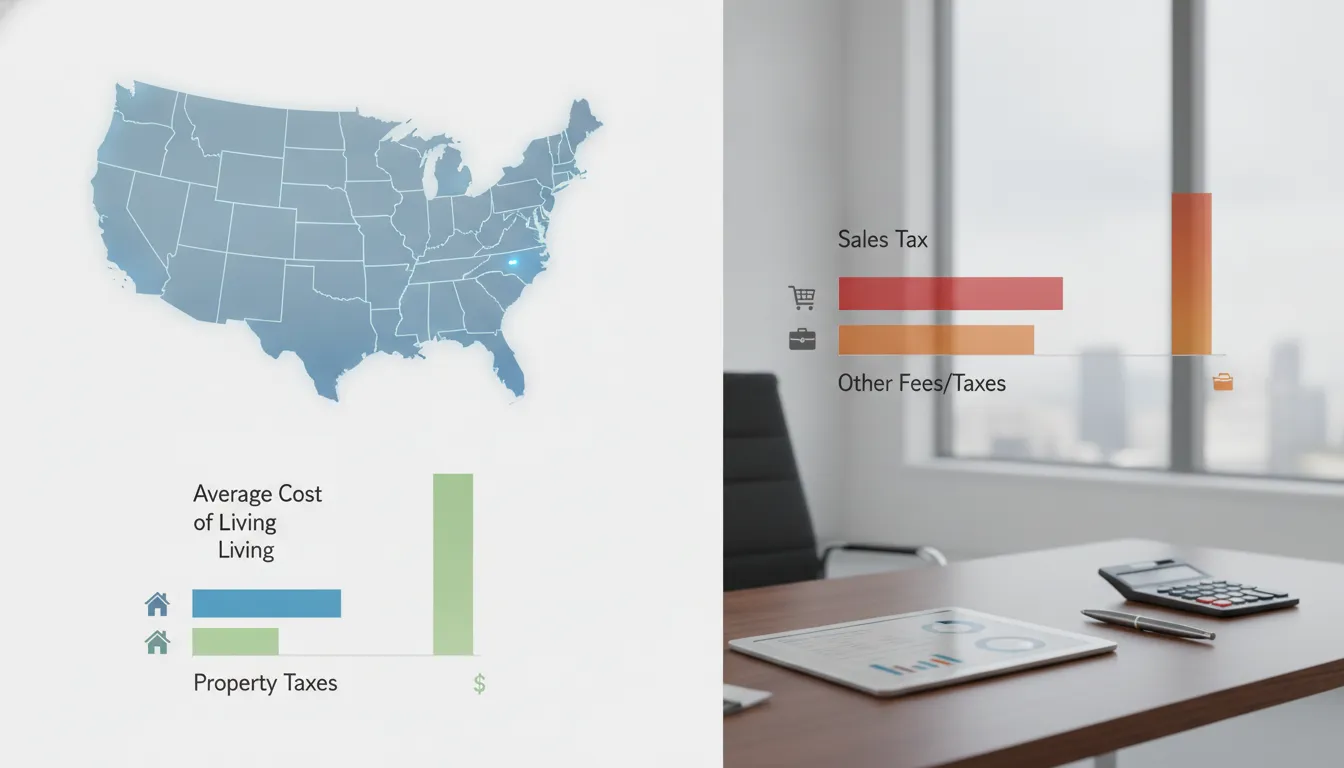
Thinking about moving for a lower tax bill? Start by looking beyond your paycheck. States with no income tax can still have sales and property taxes, and those costs differ from one community to another. Some states also apply rules to certain types of income, so the phrase “no income tax” doesn’t tell the whole story. Your work location, residency, investments, business, or rental property may affect where you need to file. In this guide, you’ll learn which states generally don’t tax individual income, how they pay for public services, and how to compare the costs that matter to your household before choosing a new home.
Key Takeaways
- Nine states generally do not tax individual income broadly: Washington still taxes certain long-term capital gains, and state rules may change.
- A zero state income tax rate does not guarantee lower costs: Compare local sales and property taxes, housing, insurance, and everyday expenses.
- Check your obligations before moving: Federal taxes still apply, and work, business, rental, or other income tied to another state may require a tax return there.
Which States Have No Broad-Based Individual Income Tax?
Nine states generally do not tax individual income through a broad-based state income tax: Alaska, Florida, Nevada, New Hampshire, South Dakota, Tennessee, Texas, Washington, and Wyoming. That does not mean residents pay no taxes. State and local governments may collect sales, property, excise, and business taxes, and some states have rules that apply to specific kinds of income.
Each state relies on a different mix of revenue. Some collect substantial sales or property taxes; others also receive revenue from tourism, natural resources, or business taxes. Washington is a notable case: it does not tax wages through a broad-based individual income tax, but it does tax certain long-term capital gains. The Tax Foundation’s overview of state individual income taxes is a helpful starting point, though current state guidance is best for checking details.
The summaries below explain key differences, not the total cost of living in each state. Your tax bill can depend on your income, purchases, property, business activities, and local jurisdiction. If you are weighing a move or buying a home, compare the specific city or county as well as the state. Local property and sales taxes can change the calculation considerably.
Alaska: Oil Revenue and Local Sales Taxes
Alaska does not levy a broad-based personal income tax and has no statewide sales tax. However, many local governments impose sales taxes, and rates and rules vary by community. Check the local tax before estimating the cost of purchases or operating a business.
Oil production and related revenue have long been important to Alaska’s public finances. Because energy markets change, revenue from these sources can vary from year to year. Eligible residents may also receive a payment from the Alaska Permanent Fund, but the amount and eligibility rules can change. The state’s local government tax information can help you look up sales taxes in particular communities.
Florida: Sales, Tourism, and Business Taxes
Florida does not levy a state personal income tax on individuals. The state collects sales tax, and counties may add a discretionary sales surtax. Homeowners also pay property taxes, with bills shaped by assessed value, local tax rates, and any exemptions that apply.
Tourism contributes significantly to Florida’s economy, but it is only one part of the state’s revenue picture. The state also collects revenue from sources such as corporate income taxes and fees. When comparing a move, consider costs beyond income tax, including housing, property insurance, and county-level taxes. The Florida Department of Revenue provides current information on state taxes and sales tax rates.
Nevada: Sales, Gaming, and Business Taxes
Nevada does not tax individual wage income through a broad-based state income tax. Its revenue sources include sales and use taxes, property taxes, gaming-related taxes, and taxes on certain businesses. Tourism and gaming are important to the state economy, but they do not determine every resident’s tax bill.
Sales taxes can add up for households that spend a large share of their income on taxable purchases. Property taxes depend on location and assessed value. Some businesses may also owe the Modified Business Tax or Commerce Tax, depending on their activities and revenue. These are business obligations, not individual income taxes, but they can affect the cost of running a company. Nevada’s tax agency FAQs explain several state tax programs.
New Hampshire: Property and Business Taxes
New Hampshire has no broad-based individual income tax and does not impose a general sales tax. The state formerly taxed certain interest and dividend income, but it phased out that tax, with repeal taking effect for taxable periods beginning in 2025. Older sources may not reflect this change, so check the tax year when reviewing state rules.
Property taxes are a major consideration for homeowners, and local rates vary. New Hampshire also imposes business taxes, including the Business Profits Tax and Business Enterprise Tax, on businesses that meet applicable requirements. No general sales tax does not necessarily mean lower overall costs, particularly for property owners. Review the state’s tax overview and local property tax information when estimating your expenses.
South Dakota: Sales, Property, and Tourism Taxes
South Dakota does not impose a broad-based individual income tax. The state collects sales tax, and local governments may add their own taxes. Property taxes also help fund local services, including schools and county or municipal operations. What a household pays depends on where it lives, what it buys, and the value of its property.
Tourism contributes to South Dakota’s economy, alongside industries such as agriculture, healthcare, and financial services. State and local governments draw revenue from multiple sources rather than relying on one type of tax. If you own a home or run a small business, review local property taxes, sales tax rules, and any industry-specific requirements. The South Dakota Department of Revenue tax pages provide information on sales, use, and other state taxes.
Tennessee: Sales Taxes and the Repealed Hall Income Tax
Tennessee has no broad-based tax on individual income. Its former Hall Income Tax applied to certain interest and dividend income. The state phased out the tax, and it was fully repealed in 2021. Older online references may still describe it as active, so check when the information was published.
Sales tax is an important part of Tennessee’s revenue system. State and local rates combine, and the total varies by location. Tennessee also levies business taxes, including franchise and excise taxes that may apply to certain entities. These taxes are distinct from a personal income tax, but they matter to business owners comparing costs. The state’s Hall Income Tax information explains the repeal, and the Tennessee Department of Revenue lists current tax programs.
Texas: Local Property Taxes, Sales Taxes, and Franchise Tax
Texas does not levy a state personal income tax. Residents may pay state and local sales taxes, while local taxing units set and collect property taxes. Bills can vary significantly among counties, school districts, cities, and other jurisdictions, so a statewide figure may not reflect the cost of a specific home.
Texas also has a franchise tax that applies to certain businesses under state rules, thresholds, and exemptions. It is a business tax, not a broad-based personal income tax. Small business owners should check whether their entity and revenue meet current requirements. Homebuyers can look up the property tax rates for a particular address and ask about local assessments and exemptions. The Texas Comptroller provides information on property taxes and other state tax programs.
Washington: Sales and Business Taxes, Plus a Capital Gains Excise Tax
Washington does not impose a broad-based tax on wages or individual income, but it does tax certain long-term capital gains through a state excise tax. The law covers specific gains, and exemptions or deductions may affect whether a person owes tax. Investors should check current state guidance rather than assume every investment gain is treated the same way.
Washington also collects sales and use taxes, property taxes, and business taxes. The capital gains tax is an important distinction from the other states in this list, though it is not a general tax on salary. It may apply to people who sell certain investments or other covered assets. The state’s capital gains tax guidance explains who may need to file and which gains are covered.
Wyoming: Natural Resource Revenue, Sales Taxes, and Property Taxes
Wyoming does not impose a broad-based individual income tax. Its revenue comes from several sources, including sales taxes, property taxes, and taxes tied to natural resource extraction. Oil, gas, coal, and other minerals play an important role in the state’s economy and public finances, though revenue from these sources can change with production and market conditions.
For residents, the absence of an individual income tax is only one part of the cost comparison. Sales taxes and local property taxes may still apply, with the impact depending on household spending and location. Businesses connected to resource industries may also face additional rules and taxes. If you are considering a move or property purchase, review local taxes and current state requirements. Wyoming’s Department of Revenue provides information on state taxes, including sales and mineral-related taxes.
What Does “No Income Tax” Mean?
No Broad-Based State Tax on Individual Income
A “no-income-tax state” generally does not levy a broad-based state tax on individuals’ wages and other ordinary earnings. The nine states commonly described this way are Alaska, Florida, Nevada, New Hampshire, South Dakota, Tennessee, Texas, Washington, and Wyoming, according to The Conversation’s overview.
That label is useful, but it doesn’t mean residents pay no taxes or that every kind of income is treated the same. States define their tax rules, and cities and counties may add taxes or fees. A state might not tax your paycheck, for example, while collecting revenue through sales, property, or business taxes. If you’re comparing places to live, look at the rules for the state and local area where you plan to work, buy a home, or own rental property.
Federal Income and Payroll Taxes Still Apply
Living in a state without a broad-based individual income tax does not eliminate federal taxes. U.S. citizens and residents generally remain subject to federal income tax, based on federal rules and their individual circumstances. The Legal Information Institute’s explanation of income tax describes this federal obligation.
Employees may also have Social Security and Medicare taxes withheld from their pay. These federal payroll taxes are separate from state income tax. Your withholding and final tax bill can depend on your income, filing status, deductions, and credits, so a move may change your state tax picture without changing your federal responsibilities. If you relocate, review which tax returns and payments apply to you rather than assuming a new address removes the need to file.
State and Local Taxes May Apply to Income, Property, Purchases, and Businesses
States still need revenue to fund services such as schools, roads, health care, and public safety. States without broad-based individual income taxes may rely more heavily on other revenue sources, including taxes on purchases, property, businesses, or specific industries. The mix varies by state, as The Conversation explains.
For households, sales taxes can add to the cost of everyday purchases, while property taxes can make a substantial difference for homeowners. Renters may feel some property-related costs indirectly through rent. Business owners should also check for applicable taxes, fees, and filing requirements. To understand what a move might mean for your budget, compare the taxes that apply to your income, spending, property, and work, not just the state’s income tax rate.
Washington Taxes Capital Gains, and Other State-Specific Rules May Apply
“No income tax” is a broad label, and state rules can treat different types of income in different ways. Washington, for example, imposes a capital gains excise tax on certain long-term capital asset sales when taxable gains exceed the applicable annual deduction. It generally does not apply to wages, and exemptions and other rules may affect whether a person owes tax. Review the Washington Department of Revenue’s capital gains tax guidance for current requirements.
Rules can also change over time. New Hampshire, for example, repealed its tax on interest and dividends for tax periods beginning after December 31, 2024. Before moving or selling investments, check the current rules for your state, income type, residency, and transaction date. A tax professional can help you understand how those details apply to your situation.
How Do No-Income-Tax States Fund Public Services?
States without a broad-based individual income tax still need to fund schools, roads, public safety, and other services. They typically combine revenue from sales and property taxes with business taxes, fees, federal funds, and, in some cases, natural resources or tourism. The mix varies by state, and local governments often collect revenue and fund services, too.
So, no state income tax does not automatically mean a lower overall tax bill. What you pay can depend on your spending, property, location, and other circumstances. The trade-offs among states’ revenue sources are worth considering when comparing where to live.
Sales and Use Taxes
Sales taxes apply to many purchases, though each state sets its own rules about which goods and services are taxable. A use tax may apply when you buy a taxable item elsewhere and bring it into your state for use, but don’t pay sales tax at the time of purchase. Together, these taxes can provide an important source of revenue for public services.
The amount you pay depends on what you buy and where you shop. Local sales taxes may be added to the state rate, so the combined rate can vary by city or county. Before moving, check the rates in the communities you’re considering and whether common purchases are taxable. A household that spends a large share of its income on taxable items may feel sales taxes more than one that spends less.
Property Taxes and Local Revenue
Property taxes are a key source of revenue for many local governments, including those in states without a broad-based individual income tax. Communities may use these taxes to help fund schools, public safety, roads, and other services. A property tax bill generally reflects the assessed value of a home and the tax rates set by local authorities.
For homebuyers, the state’s income tax policy is only one part of the cost of living. Property taxes can differ substantially between nearby towns, even for homes with similar values. Review the current tax bill for any home you’re considering, and check how the local assessment process works. Renters may also feel property tax costs indirectly, since they can contribute to landlords’ operating expenses and influence rents.
Excise, Severance, and Business Taxes
Excise taxes apply to specific goods or activities. Common examples include taxes on fuel, alcohol, and tobacco, which may be included in the price or charged at purchase. States with natural resources may also collect severance taxes on resources extracted within their borders. Revenue from these sources can help fund public services, though it may change as production and market prices shift.
States also collect taxes and fees from businesses. Depending on the state, a company may owe taxes based on its activities, property, sales, or business structure. These obligations can affect small-business owners and employers, and may influence prices or operating costs. If you own a business or plan to start one after a move, check state and local requirements before making financial plans.
Tourism, Fees, Tolls, Federal Funds, and Natural Resource Revenue
Tourism can generate public revenue through taxes on lodging, meals, and visitor activities. Governments may also collect fees for permits, licenses, vehicle registration, or specific services, along with tolls on certain roads and bridges. These costs vary, but they can add up for residents who use paid roads or need particular permits.
Federal funding supports programs and projects across the country, including transportation, education, health, and emergency response. Some states also receive revenue from resources such as oil, gas, or minerals. These sources can supplement tax collections, but they may fluctuate. Tourism can change with travel demand, while resource revenue can shift with production and prices. States often rely on a combination of these sources to support their budgets.
How Revenue Sources Affect Budgets and Public Services
A state’s revenue mix affects how public services are funded and which households or businesses contribute most. Greater reliance on sales taxes links revenue to consumer spending, while reliance on property taxes places more weight on property values and local tax rates. Business taxes, fees, tourism, and natural resource revenue create additional differences. As research on no-income-tax states explains, these choices can involve trade-offs in both taxation and public services.
The quality and availability of services can also vary between communities in the same state. Local tax revenue, budget priorities, and changing economic conditions all play a part. When comparing locations, look beyond the state income tax rate: review local tax bills and consider the schools, roads, and services your household relies on.
Why Do Some States Skip Individual Income Taxes?
Attract Residents, Workers, and Businesses
A state may skip a broad-based individual income tax to appeal to people and businesses deciding where to live, work, or expand. Residents may find it attractive to keep more of each paycheck, while employers and entrepreneurs may see the policy as one part of a favorable business environment.
Still, no state income tax does not automatically mean a lower tax bill overall. Residents may pay more through sales, property, or other taxes, and businesses may face separate state and local obligations. If you are comparing locations, weigh the full cost of living and operating a business, not just the income tax rate. Housing, insurance, payroll, and local taxes can all affect your budget.
Rely on Natural Resources, Tourism, or Consumption
States still need revenue to fund public services, so those without a broad-based individual income tax often rely more heavily on other sources. These can include sales taxes, taxes on tourism or gaming, and revenue from natural resources. Alaska, for example, benefits from oil revenue, while states with large visitor economies may collect taxes related to travel and hospitality.
Each state uses a different mix, and some revenue sources can fluctuate with economic conditions. Changes in oil prices or tourism spending may affect the funds available for public services. An overview of how states without income taxes fund government explains the trade-offs behind these choices. If you are considering a move, check which taxes are common in the specific city or county, too.
Reflect Political Priorities and Budget Choices
A state’s decision to forgo an individual income tax often reflects its political priorities, available revenue, and choices about public spending. Lawmakers may prefer a system that places more emphasis on sales, property, business, or resource-related taxes. The state still needs to pay for services, so removing one type of tax means relying on other revenue or making different budget choices.
These choices can affect households in different ways. Someone with a high income and modest spending may experience the trade-offs differently from a household that spends a larger share of its income or owns property in an area with high property taxes. Public services and local tax rates also vary. When comparing states, consider how the overall tax structure fits your income, spending, homeownership, and business needs.
What Are the Pros and Cons of Living in a No-Income-Tax State?
Living in a state without a broad-based individual income tax can affect your budget, but it doesn’t automatically mean you’ll pay less overall. Your income, spending habits, homeownership plans, and the local tax structure all matter. Weigh the potential savings against other costs before making a decision.
Potentially Keep More Pay and Skip a State Individual Income Tax Return
If your income would otherwise be subject to state individual income tax, living in a state without that tax may leave more of your pay available for savings and everyday expenses. You may also avoid filing that state’s individual income tax return, which can make tax season simpler. Your actual savings depend on your income and circumstances, and federal income and payroll taxes still apply.
A move doesn’t necessarily end tax obligations in your former state. You may need to file a nonresident or part-year return if you earned income there or moved during the tax year. If you’re leaving Massachusetts, keep records of your move and check the state’s residency and filing rules. An accountant can help clarify which returns your situation requires.
Pay More Through Sales, Property, or Other Taxes
States still need revenue to fund public services. Without a broad-based individual income tax, a state may rely more heavily on sales, property, excise, business, or industry-specific taxes. It may also receive revenue from natural resources, tourism, fees, or federal aid. As an overview of how states fund public services explains, the mix differs from state to state.
The effect on your budget depends on where you live and how you spend. Sales taxes can add up if you make frequent taxable purchases, while property taxes can be a significant expense for homeowners. Check state and local rates, and compare them with your current costs. Don’t assume that a zero state income tax rate means a low total tax bill.
Weigh Income, Spending, Homeownership, and Retirement Income
Look at your whole financial picture before deciding whether a no-income-tax state could save you money. Higher earners may benefit more from avoiding state income tax, while households that spend a large share of their income may feel sales taxes more. Homeowners should also compare property taxes, insurance, and housing costs, which can vary substantially by location.
Retirement income deserves its own review. Federal taxes may still apply, and retirees may owe sales and property taxes. Housing, groceries, health care, and transportation can also shape your retirement budget. Compare likely taxes and everyday expenses together, rather than focusing on one tax rate. A state-by-state tax overview can help you identify other taxes to research.
Prepare for Changes to Tax Policy and Public Services
Tax laws can change, so treat a state’s current rules as a snapshot, not a promise. Legislatures may revise rates, exemptions, or revenue sources, and local taxes can differ from state taxes. Before moving, check official state and local resources for current requirements. Pay particular attention if you own a home, run a business, have investments, or earn income in more than one state.
Also consider the public services your household relies on, such as schools, roads, and health care. Service levels and availability vary by community, and a state’s income tax rate alone won’t tell you what to expect. Research the specific towns or neighborhoods you’re considering, then compare services with your estimated taxes and living costs. A qualified tax professional can help assess how the move may affect your finances.
Does a No-Income-Tax State Cost Less to Live In?
A state with no broad-based individual income tax may leave more of your pay untaxed at the state level, but that doesn’t automatically make it less expensive to live there. States still fund public services, often through other taxes and fees. Housing, insurance, utilities, and everyday expenses also shape your budget. Compare the full cost of living in specific communities, not just state income tax rates.
Compare Total State and Local Taxes, Not Just Income Tax Rates
Add up the taxes and fees that may apply to your household, including sales tax, property tax, vehicle charges, and taxes connected to a business. The mix varies by state and can differ between nearby cities and towns. For example, a household that spends a large share of its income on taxable goods may feel sales taxes more than one that spends less. Homeowners should compare local property tax bills, too. The Tax Foundation’s state and local tax data can help you understand broad differences, but use local rates and your own income, spending, and property details to estimate your costs.
Include Housing, Insurance, Utilities, and Everyday Costs
Taxes are only one part of your monthly budget. Compare home prices or rent, homeowners or renters insurance, utilities, groceries, transportation, and health care in the specific places you’re considering. Housing costs can vary widely within a state, and insurance premiums may reflect local weather risks or rebuilding costs. If you’re moving for work, factor in commuting expenses and any change in income. A lower tax bill may not make up for higher housing or insurance costs. The Consumer Price Index tracks changes in prices over time, but your own budget will depend on your location and household needs.
Consider Schools, Healthcare, Infrastructure, and Public Services
Taxes help fund services that affect daily life, including public schools, emergency response, roads, libraries, and health programs. States without an individual income tax still collect revenue through sources such as sales, property, excise, and business taxes, along with fees and federal funding. As The Conversation explains, states make different choices about raising revenue and providing services. Research school districts, access to health care, road conditions, public transportation, and local services in each community you’re considering. These factors can affect both your quality of life and your household expenses.
Compare Local Costs and Tax Rates Across Each State
State averages can hide the details that matter most to your budget. Compare specific cities or towns, including local sales tax rates, property tax bills, housing costs, and utility expenses. If you’re buying a home, check its assessed value and ask the local assessor how property taxes are calculated. If you own a business or rental property, review the tax rules that apply to that activity and location. Make a side-by-side budget for your current home and the place you’re considering, using realistic estimates. If you’re moving from Massachusetts or have income connected to more than one state, an accounting professional can help you understand which tax obligations may still apply.
What Should You Check Before Moving to a No-Income-Tax State?
A move to a state without individual income tax can change your tax picture, but it does not automatically end obligations elsewhere. Your residency, work location, business activity, property, and income sources all matter. Before you move, gather records and compare the rules in both your current and prospective states. If you own a business or rental property, include those details in your planning. A tax professional can help you identify filing requirements and estimate the overall cost of the move.
Establish Residency and Document Your Move
Changing your address does not, by itself, establish tax residency in a new state. States use their own rules, which may consider where you maintain a home, how much time you spend in each state, and where your personal and financial ties are centered. The often-cited 183-day threshold is not a universal rule, so check the requirements of both states before relying on it. TurboTax’s overview of residency considerations is a useful starting point.
Keep documents that support the date and details of your move. Save your lease or closing documents, utility bills, travel records, and evidence that you updated your driver’s license, voter registration, and financial accounts. These records can help explain when your residency changed if a state later asks.
Review Other-State Income and Remote-Work Rules
Living in a state without individual income tax does not necessarily exempt your earnings from tax in another state. If you live in one state and work in another, the work state may require income-tax withholding on wages earned there. Remote employees should confirm which state’s rules apply based on where they perform their work, and check that their employer’s payroll records reflect the correct work location. Symmetry’s payroll guide explains why working across state lines can still create withholding obligations.
Income from other sources may also require attention. A rental property or business activity located in another state can create tax filings there, even after you move. Keep a list of where you work and earn income, then ask a tax professional which returns may apply to your situation.
Check Payroll, Business, Investment, and Rental Property Tax Rules
No individual income tax does not mean no business or payroll obligations. Employers generally remain responsible for federal payroll taxes, including Social Security, Medicare, and federal unemployment tax. State unemployment insurance, employer registration, and other payroll requirements may also apply based on where employees work. The IRS explains federal employment tax responsibilities, which continue regardless of a state’s individual income tax policy.
Review how the new state treats your business structure, investments, and rental income. A state may impose business taxes or apply specific rules to income connected to property within its borders. Investment income can also face state-specific treatment, including taxes that apply to certain capital gains. Before moving, map out your income sources and ask an accountant which tax and reporting rules apply to each one.
Account for Homeownership and Local Property Taxes
Compare property taxes for the specific towns or counties you’re considering. Local rates can vary widely within a state, and the amount you owe may depend on a property’s assessed value and eligibility for exemptions or credits. If you plan to keep a home in your current state, include its property taxes and other carrying costs in your calculations.
Also estimate sales taxes and the cost of everyday purchases. States may rely more heavily on property, sales, or excise taxes when they do not tax individual income. TurboTax’s state tax overview explains why the absence of one tax does not mean a lower overall tax bill. Compare local tax rates alongside insurance, utilities, and housing costs before choosing where to live.
Review Tax Obligations When Leaving Massachusetts or Another State
Before leaving Massachusetts, review how the state determines residency and whether you may still need to file a return. Your domicile, the time you spend in Massachusetts, and whether you keep a home there can all matter. Massachusetts has rules for statutory residents, so establishing a new domicile elsewhere may not be the only factor. The state’s residency guidance outlines details to review.
Keep a calendar of the days you spend in each state and save records showing when you moved and where you established your home. If you retain Massachusetts property or earn income there, you may have filing obligations after your move. Ask a tax professional whether a part-year or nonresident return is needed, and how to report income tied to Massachusetts.
Verify Current Rules and Possible Tax Changes
Tax rates, residency standards, exemptions, and filing requirements can change. Before making a moving or financial decision, confirm current information with the tax agencies in both your current state and the state you’re considering. Check rules for income, property, sales, payroll, and business taxes, including local requirements that may not appear in a general state overview.
Use articles to identify questions, then verify the answers with official sources. If your move involves a business, investments, a home, or rental property, consider reviewing the details with a qualified tax professional. Accounting Solutions, Inc. helps individuals and small businesses with tax planning and compliance. Getting advice before you move can help you understand possible filing obligations and keep useful records from the start.
How Can You Compare Your Personal Tax Trade-Off?
A move can change more than your state income tax bill. Compare your current costs with what you’d expect to pay in the specific city or county you’re considering. A side-by-side estimate can help you see how taxes, housing, and other household expenses may affect your budget.
Estimate State and Local Taxes in Both Scenarios
List the taxes and recurring fees you pay now, then estimate what you’d pay in your potential new location. Include state and local income taxes, sales and use taxes, property taxes, vehicle taxes, and other local fees. If you own a business or rental property, check for taxes and filing requirements that apply to those activities, too. Rates can vary by city and county, so use the location you’re considering rather than relying only on statewide averages.
A state without a broad-based individual income tax may collect revenue in other ways. The Conversation explains how states use different tax combinations. Compare the bills you’re likely to pay, not just the income tax rate. Recent tax bills, pay stubs, and realistic estimates of annual spending can help you make a more useful comparison.
Factor In Your Household Income, Spending, and Property
Your tax trade-off depends on your household’s finances and plans. Estimate income from wages, self-employment, investments, retirement, and rental properties. Then check how each state treats those income sources. Review your typical purchases, too: sales taxes may have a greater effect if your household spends a large share of its income on taxable goods and services.
If you own a home, compare property taxes based on the assessed value and local rates for the properties you’re considering. Include other costs, such as homeowners insurance, utilities, and housing expenses, in your budget. These aren’t taxes, but they can affect whether a move makes financial sense. As The Conversation notes, income, spending habits, and property ownership all influence a household’s overall tax burden.
Review Your Move With a Qualified Tax Professional
Ask a tax professional to review your estimates before you move. Their guidance can be especially useful if you plan to keep a home in your current state, work remotely, own a business, or earn income from property in multiple states. Residency rules can affect where you owe tax, and changing your mailing address alone may not establish that you’ve changed your tax residency.
If you’re leaving Massachusetts, review the state’s guidance on resident and nonresident tax status. A professional can help you identify records to keep, understand how to report income in the year you move, and check for local filing requirements. Bring details about your income, property, and expected spending so the comparison reflects your household rather than a general estimate.
Frequently Asked Questions
Which states have no broad-based individual income tax?
Alaska, Florida, Nevada, New Hampshire, South Dakota, Tennessee, Texas, Washington, and Wyoming generally do not tax wages through a broad-based state individual income tax. Rules can differ for specific income, so check current state guidance before making plans.
Does living in one of these states mean I won’t pay income tax?
No. Federal income and payroll taxes may still apply. You could also owe tax to another state if you work there, earn income from property there, or move during the tax year.
Can a no-income-tax state still have high taxes?
Yes. States and local governments may collect sales, property, business, or excise taxes. Your total costs depend on where you live, what you buy, and whether you own property or run a business.
Does Washington tax wages or investment gains?
Washington does not impose a broad-based tax on wages, but it does tax certain long-term capital gains. Exemptions and other requirements may affect whether you owe tax, so review the state’s current rules before selling covered assets.
What should I compare before moving?
Compare state and local taxes, housing, insurance, utilities, and services in the specific communities you’re considering. If you own a business, rental property, or home in another state, ask a tax professional which filing and payment requirements may continue after your move.