
What Is an Excise Tax? A Plain-English Guide
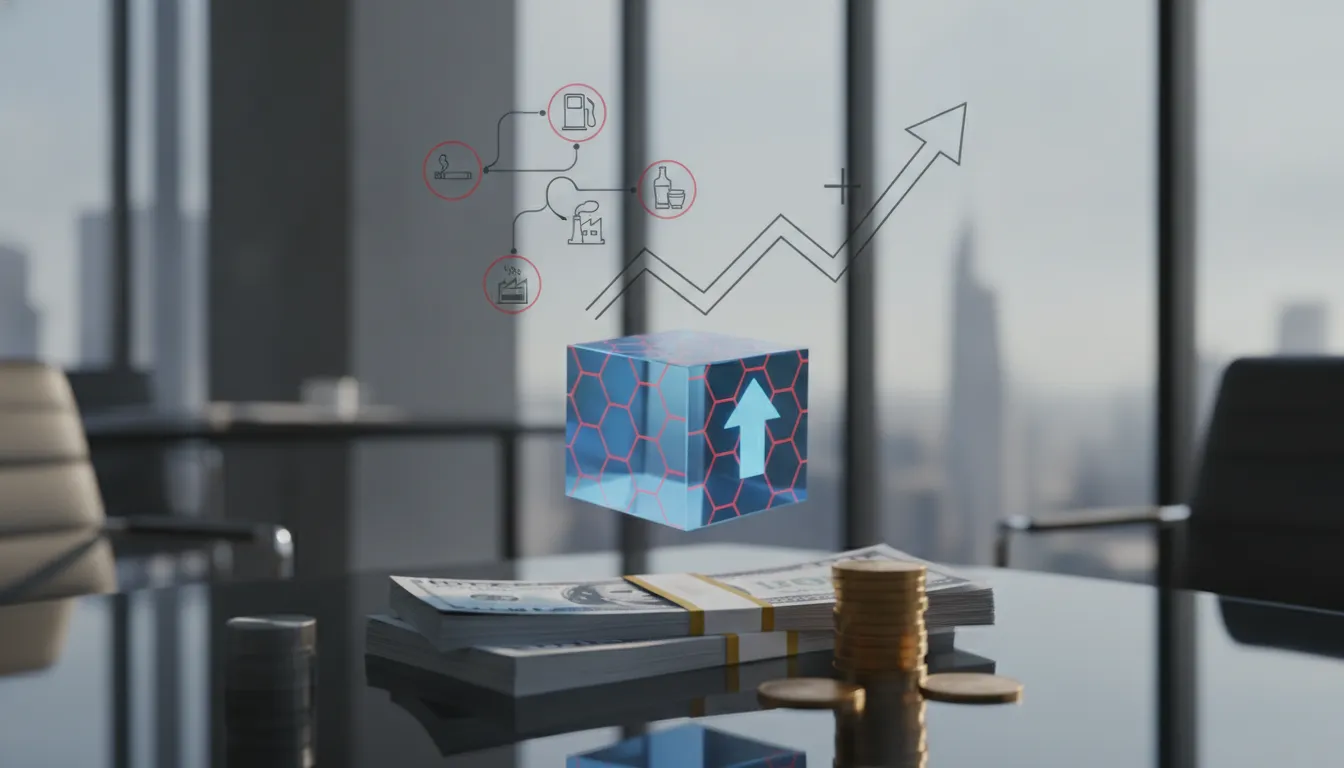
The idea of a "sin tax" on products like alcohol and tobacco often sparks a debate about fairness. Is it right to place a heavier financial burden on people who buy these specific goods? This is the central question surrounding the excise tax. Critics argue that it can be regressive, taking a larger percentage of income from lower-income households. Supporters, however, point out that these taxes help fund public services and cover the societal costs associated with these products. For both consumers feeling the pinch and business owners responsible for collecting the tax, understanding both sides of the argument is key to making sense of why these taxes exist and how they might change in the future.
Key Takeaways
- Excise taxes target specific goods: Unlike a general sales tax, an excise tax is a special fee on particular items like fuel, alcohol, and tobacco. Governments use this targeted tax to fund related public services and influence consumer behavior.
- Compliance is your responsibility: If your business sells taxed goods, you are legally required to collect the excise tax and remit it to the government. This makes accurate record keeping and timely filing essential for avoiding penalties.
- Tax rules are not static: Excise tax laws change at both federal and state levels, with new trends like environmental taxes on the rise. Proactively planning for these shifts is crucial to protecting your business's financial health.
What Is an Excise Tax?
Think of an excise tax as a special tax placed on specific goods and services. It’s an indirect tax, which means it’s usually included in the price of the item you buy, rather than being added on at the register. Governments use these taxes to raise money and sometimes to discourage the use of certain products, like those considered luxury items or harmful to your health.
Excise Tax vs. Sales Tax: What's the Difference?
It’s easy to mix up excise and sales taxes, but they operate differently. The main distinction is their scope. A sales tax is a broad tax that applies to most goods and services you buy. It’s calculated as a percentage of the final sale price and listed as a separate line item on your receipt.
An excise tax, on the other hand, targets very specific goods, such as gasoline, airline tickets, tobacco, and alcohol. This tax is often a flat amount per unit (like cents per gallon of gas) and is embedded directly into the product’s price. So, while you see the sales tax added at checkout, the difference between excise tax vs sales tax is that the excise tax is already baked into the sticker price you see on the shelf.
How Is Excise Tax Collected?
As a consumer, you don’t pay excise taxes directly to the government. Instead, the businesses that produce, import, or sell the taxed items are responsible for handling it. Depending on the specific regulations, the manufacturer, wholesaler, or retailer collects the tax amount and then remits it to the appropriate federal or state authority.
For small business owners dealing in taxed goods, this is a critical part of your financial responsibilities. You are the one who will collect and remit these taxes, so it's important to understand the rules for your specific products to stay compliant and avoid any penalties. Think of yourself as a temporary collection agent for the government.
Clearing Up Common Excise Tax Myths
One common myth is that excise taxes hurt the entire economy. Because these taxes are so narrow, they tend to affect specific industries rather than the economy as a whole. While this protects most businesses, it can place a heavy burden on those in targeted sectors, like tobacco farming or craft brewing.
Another misconception is that excise taxes are a stable source of government income. In reality, the revenue they generate can be unpredictable. If a tax successfully discourages people from buying a product, the tax revenue from that product will naturally fall. These taxes can also be regressive, as they often take a larger percentage of income from lower-income individuals than from wealthier ones, a point that makes excise taxes a frequent topic of debate.
What Goods and Services Have an Excise Tax?
Unlike a general sales tax that applies to almost everything you buy, an excise tax is a special tax levied on specific goods and services. Think of it as a targeted fee. These taxes are often included in the product’s price before you even get to the checkout counter, so you might be paying them without realizing it. Governments typically place these taxes on items that are regulated, have high sales volume, or are associated with specific social costs. Let's walk through some of the most common categories.
Tobacco and Alcohol
These are probably the most famous examples of goods with an excise tax. Often called "sin taxes," the goal is twofold: to discourage consumption of products considered unhealthy and to raise significant revenue for the government. When you buy a pack of cigarettes or a bottle of wine, the price already includes federal and state excise taxes. The Alcohol and Tobacco Tax and Trade Bureau (TTB) is the federal agency responsible for collecting these taxes from producers and importers. For business owners in this industry, understanding these tax requirements is a critical part of your operations from day one.
Fuel and Transportation
Have you ever wondered why gas prices fluctuate so much? Part of that price at the pump is the federal and state excise tax on fuel. This tax generally functions as a user fee, with the revenue collected often dedicated to funding highway construction and repairs. The idea is that the people who use the roads the most contribute more to their upkeep. Similarly, excise taxes are applied to airline tickets to help fund airport maintenance and the national aviation system. These taxes are a key example of how the government funds transportation infrastructure by taxing the services related to it.
Luxury Goods and Services
While less common now than in the past, governments sometimes apply excise taxes to luxury items. These are non-essential, high-end goods and services like expensive cars, private jets, and yachts. The logic behind a luxury tax is to generate revenue from those with higher disposable incomes who are more likely to purchase such items. These taxes are applied as a percentage of the item's value, known as an ad valorem tax. While the U.S. has repealed many broad federal luxury taxes, some still exist at the state level or for very specific goods, so it's always wise to check local regulations.
Environmental Taxes
A growing category of excise taxes is designed to influence behavior for environmental reasons. These taxes aim to reduce pollution and waste by making harmful products more expensive. For example, some jurisdictions are introducing taxes on single-use plastics to discourage their use and cover the costs of cleanup and recycling. Other environmental excise taxes target ozone-depleting chemicals or gas-guzzling vehicles. The goal is to make the price of a product reflect its true environmental cost, encouraging both consumers and businesses to seek greener alternatives.
Why Do Governments Use Excise Taxes?
Excise taxes might seem like just another line item on an invoice, but governments put them in place for a few key reasons. They aren't arbitrary fees; they're tools used to generate revenue, guide public choices, and offset societal costs. For a small business owner, understanding the "why" behind these taxes can clarify why certain products are targeted and how that might affect your pricing and customers. Let's look at the three main goals governments have when they levy an excise tax.
To Fund Public Programs
At its core, an excise tax is a way for the government to raise money. The revenue collected from these taxes helps pay for essential public services that we all rely on, like schools, road maintenance, and first responders. For example, the federal excise tax you pay on gasoline is often earmarked specifically for the Highway Trust Fund, which finances road and mass transit projects across the country. This direct link between a tax and a specific public good is a common feature of how state and local excise taxes work. It’s one of the most straightforward ways governments ensure there’s money available for community infrastructure and services.
To Influence Consumer Behavior
Governments also use excise taxes to gently nudge people's purchasing habits. By making certain products more expensive, the goal is to reduce their consumption. These are often called "sin taxes" because they typically apply to goods like tobacco, alcohol, and gambling. The thinking is simple: if a pack of cigarettes or a bottle of liquor costs more, people might think twice before buying it. This strategy allows the government to discourage behaviors linked to public health concerns without banning the products completely. It’s a way to use price as a tool to promote healthier choices among the population, a trend you can see in many excise tax policies.
To Cover Related Social Costs
Some products create costs for society that go beyond their sticker price. Think about the long-term healthcare expenses associated with smoking or the public resources needed to address problem gambling. Excise taxes are a way to account for these external costs, sometimes called "externalities." The tax revenue generated from a specific product can be used to fund programs that mitigate its negative effects, like smoking cessation programs or addiction treatment services. This approach aims to make the price of a product more accurately reflect its true cost to society. It encourages both businesses and consumers to consider the wider impact of their choices and potentially spend their money on less harmful alternatives.
How Do Excise Taxes Affect You and Your Business?
Whether you’re a consumer or a business owner, excise taxes have a tangible effect on your finances. For individuals, they show up as higher prices on specific items you buy, from the gas for your car to a bottle of wine for dinner. You might not see it listed on the receipt like sales tax, but it’s built into the final cost, influencing what you pay and how you budget. This hidden cost is designed to be seamless for the buyer, but it directly shapes purchasing power and consumer choices over time.
For small businesses, the impact is even more direct. If you produce or sell goods subject to an excise tax, you’re on the front lines. You have to understand the rules, collect the tax, and make sure it gets to the right government agency on time. This adds another layer to your accounting and can affect everything from your pricing strategy to your cash flow. It’s not just about the extra cost; it’s about the responsibility of managing it correctly. Getting it wrong can lead to serious financial headaches, while getting it right is a key part of sound financial management. Let’s look at how these taxes affect prices, who really carries the financial weight, and what you need to do to stay compliant.
The Impact on Prices and Purchases
The most immediate way you’ll feel an excise tax is in your wallet. Think of it as a special tax added to certain products, separate from the general sales tax you pay at the register. Because it’s levied on specific items, it creates a narrow tax base that directly increases the cost of those goods. The global application of excise tax shows it can be applied as a flat rate per unit, like cents per gallon of gasoline, or as a percentage of the product’s value.
This added cost is often passed directly to the consumer. So, when you buy a taxed item, the price you pay already includes the excise tax. For business owners, this affects how you price your products and manage inventory, as the tax is a real cost you have to account for.
Who Really Pays the Tax?
While a manufacturer or retailer is typically responsible for sending the tax payment to the government, they rarely absorb the full cost. Instead, that cost is usually passed down the line and ultimately paid by you, the consumer, in the form of a higher price. Because these taxes are so specific, they can have a big impact on certain industries and the people who buy their products.
Economists often point out that excise tax trends can be regressive, meaning they can take a larger percentage of income from lower-income households than from higher-income ones. For example, a gas tax costs everyone the same amount per gallon, regardless of their income. This makes it a stable source of revenue for the government but can put a strain on specific businesses and consumers.
Staying Compliant as a Small Business
If your business manufactures, imports, or sells products with an excise tax, compliance is your responsibility. You are the one tasked with collecting the tax from your customers and remitting it to the correct government agency, whether it’s federal or state. The rules depend entirely on your industry and what you sell, so it’s critical to understand your specific obligations.
Staying compliant means keeping meticulous records, accurately calculating the tax owed, and filing your returns by the deadline. Failing to do so can lead to audits, fines, and penalties that can seriously hurt your business. Because the regulations can be complex, many business owners work with an accounting professional to make sure everything is handled correctly, giving them peace of mind and more time to focus on running their company.
Federal vs. State Excise Taxes
Excise taxes aren't just a one-size-fits-all government fee. They operate on two main levels: federal and state. This distinction is important because it means some products, like gasoline or alcohol, can get hit with an excise tax from the federal government and another one from your state government. For small business owners, understanding the differences between these tax layers is key to managing your finances and staying compliant. Let's break down what each level looks like and how they interact.
A Look at Federal Excise Taxes
The federal government applies special taxes to specific goods, services, and activities. The most significant federal excise taxes are on things like fuel to fund highways, airline tickets for air travel, tobacco, and alcohol. While these taxes can feel substantial when you're paying them, they actually make up a small slice of the government's total income. For instance, projections show they account for only about 2% of all federal revenue. So, while they don't fund the entire government, they are targeted to support specific programs or discourage certain behaviors on a national scale, and understanding their effect on the federal budget helps clarify their purpose.
A Look at State Excise Taxes
Just like the federal government, states use excise taxes to generate revenue and influence behavior. In fact, all 50 states and the District of Columbia levy their own excise taxes. The most common targets are motor fuels, tobacco, and alcohol, but what’s taxed and at what rate can vary dramatically from one state to another. For example, the excise tax on a gallon of gas in one state could be double what it is in a neighboring state. This is why it’s so important for businesses, especially those operating near state lines or selling online, to know exactly how state and local excise taxes work in their specific area.
How They Work Together
Federal and state excise taxes can be layered on top of each other, creating a combined tax that consumers ultimately see in the final price. These taxes can be collected at various stages of the supply chain. For example, a tax might be applied when a manufacturer finishes production, during a wholesale transaction, or at the final point of sale to the customer. Because these taxes are so specific, governments generally need to justify them by connecting them to unique costs related to the taxed item. The global application and trends of these taxes show a clear pattern: they are a tool for very targeted revenue collection, making it essential for business owners to know which ones apply to their products.
Are Excise Taxes Fair?
One of the biggest questions surrounding excise taxes is whether they are fair. The answer isn't simple, and you’ll find strong arguments on both sides of the issue. Understanding these different perspectives can help you see why these taxes are often a hot topic in government and business.
The Argument for "Regressive"
Many critics argue that excise taxes are regressive. In simple terms, this means they can take a bigger bite out of the paychecks of lower-income families compared to wealthier ones. Think about it: someone with a lower income might spend a much larger portion of their monthly budget on necessities like gasoline for their commute. Because the excise tax on gas is a flat rate per gallon, it represents a higher percentage of their total income. The same logic applies to taxes on goods like tobacco and alcohol. This disproportionate impact is the main reason why these excise taxes are often seen as placing an unfair burden on those who can least afford it.
The Argument for "Progressive"
On the other hand, some federal excise taxes have a progressive side. This means the tax structure is designed to be heavier on large corporations than on smaller businesses. For example, a tax might be set up so that a massive national brewery pays a higher rate per barrel than a local craft brewery. While you, the consumer, still see a tax reflected in the final price, this approach can help level the playing field for small businesses. By taxing large producers more, the system can indirectly ease some of the financial pressure on smaller operations and, by extension, the communities they serve. It’s a more nuanced view that looks at who pays the tax initially, not just who pays for it at the counter.
Balancing Government Revenue and Fairness
Ultimately, lawmakers face a tough balancing act. Excise taxes are a reliable way to generate money for specific public services, like using the federal gas tax to fund highway maintenance. This direct link can be very effective. However, legislators must be careful. A high excise tax can put a strain on certain industries and the consumers who rely on them. This is why there's a constant discussion about finding the right balance between funding essential government projects and maintaining a fair tax system. Understanding this dynamic is helpful for both individuals and small business owners as you plan for future expenses and price changes.
What Do Excise Tax Trends Mean for Your Business?
Excise taxes are not set in stone. They shift with government priorities, public opinion, and economic needs. For a small business owner, keeping an eye on these changes is a smart move for your financial planning. Understanding where these taxes might be headed can help you anticipate future costs, adjust your pricing strategy, and stay ahead of the curve. Let's look at a few key trends and what they could mean for you.
Changing Rates on Common Goods
Governments often adjust excise tax rates on specific products like fuel, alcohol, and tobacco. Because these taxes are so targeted, even a small change can have a big impact on certain industries. If you run a convenience store, a local bar, or a delivery service, you feel these shifts directly. Unlike a broad sales tax increase, excise tax trends can create unique pressures on businesses that produce or sell taxed goods. Staying informed about proposed rate changes at both the state and federal levels allows you to plan for potential price adjustments and manage your inventory and budget more effectively.
The Growth of Environmental Taxes
A significant trend is the rise of environmental excise taxes, sometimes called "green taxes." The idea is to use taxes to address the environmental costs of certain products. You might hear policymakers talk about making companies "internalize the externality," which is a formal way of saying the price of a product should reflect its environmental impact, like pollution. We're seeing this with taxes on carbon emissions and, increasingly, on single-use plastics. This is part of a larger global excise tax policy shift that could affect a wide range of businesses, from restaurants using takeout containers to retailers packaging their products.
How to Prepare Your Business for What's Next
So, how can you get your business ready for these changes? Start by reviewing your supply chain and operations. Do you rely heavily on goods that are currently taxed or might be in the future? For example, if you use a lot of plastic packaging, it might be time to research sustainable alternatives. Building potential tax increases into your financial forecasts can also prevent surprises. Most importantly, work with a professional who understands the tax landscape. Here at Accounting Solutions, Inc., we can help you make sense of these trends and create a proactive strategy to keep your business on solid financial ground.
Frequently Asked Questions
How do I know if my business is responsible for collecting excise taxes? The simplest way to find out is to look at the specific products you sell. Excise taxes are tied to certain goods, most commonly alcohol, tobacco, and fuel. If your business produces, imports, or sells any of these, you are almost certainly responsible for handling these taxes. The rules are set by federal and state agencies, so you will need to check with both the IRS and your state's department of revenue to understand your exact obligations.
I'm still a little confused. What's the simplest way to remember the difference between excise tax and sales tax? Think of it this way: a sales tax is a general tax you see added on at the register for most things you buy. An excise tax is a special, hidden tax that is already baked into the price of a very specific item, like a gallon of gas or a plane ticket. You pay the sales tax at the end, but you pay the excise tax as part of the sticker price.
If the tax is already included in the price, why should I care about it as a consumer? Even though you don't see it as a separate line item, that hidden tax directly affects your budget by making certain goods more expensive. Understanding that an excise tax exists helps explain why some products cost more and gives you insight into how governments fund specific projects, like road repairs with gas taxes, or try to influence public health choices. It’s a part of your financial world, even when it’s not obvious.
What's the first step my business should take to handle excise tax compliance? Your first step is identification. You need to confirm exactly which federal and state excise taxes apply to the products you sell. Once you know what you're dealing with, you can set up a clear accounting process to track the taxes you collect. This isn't money your business has earned; you are simply holding it for the government, so keeping it separate is crucial for accurate and timely payments.
Why do some products, like gasoline, have both a federal and a state excise tax? Both the federal and state governments need to raise money for their own specific programs, and they can independently choose to tax the same item. For gasoline, the federal excise tax typically goes into a national fund for highways and transit. The state excise tax, however, is collected by your state to pay for its own local road construction, maintenance, and other transportation projects. You are paying two separate taxes to two different governments.